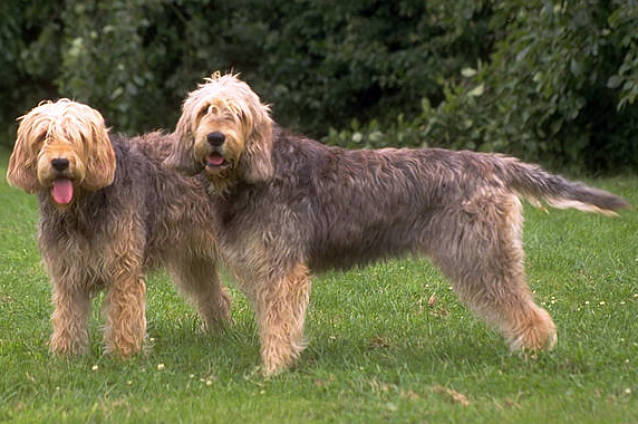
Otterhound
A rare British breed developed to hunt otters along riverbanks, the Otterhound is a big, shaggy, webbed-pawed hound with an endearing personality and a nose that dominates every walk.
Do Otterhounds shed?
Otterhounds shed a moderate amount, noticeable but manageable with regular brushing. Expect heavier shedding in spring and autumn as they blow their coat. A weekly brush reduces the hair in your home significantly. Not the breed for anyone with severe allergies, but most people manage fine.
Are Otterhounds good with kids?
Yes, Otterhounds are generally good with children. They tend to be affectionate and boisterous, which makes them a natural fit for busy family life. Always supervise any dog around young children, regardless of breed.
Are Otterhounds good with cats?
Otterhounds have a strong prey drive and will often chase cats. Given their size, this can be dangerous for a cat. It\'s not impossible to have a Otterhound and a cat together, but it takes careful management, separate spaces, slow introductions over weeks, and never leaving them unsupervised until you're absolutely certain they're safe together. Some Otterhounds raised with cats from puppyhood learn to coexist, but the prey drive is rarely fully extinguished.
Are Otterhounds easy to train?
Otterhounds are honest work to train, they have an independent streak and won't follow a command unless they understand why it benefits them. Patience and consistency are non-negotiable. Short sessions with high-value treats (think chicken, not dry kibble) get better results than long frustrating drills. Puppy classes are strongly recommended, not because they need it more than other breeds, but because early foundations make life significantly easier.
Do Otterhounds bark a lot?
Otterhounds are a vocal breed. They bark at strangers, at sounds, sometimes at nothing visible at all. This isn't a problem you can fully train away, it's part of the breed's character. If you live in a flat or semi-detached house with thin walls, this is worth seriously considering before you buy. Early training and mental stimulation reduce unnecessary barking, but it won't disappear entirely.
Are Otterhounds hypoallergenic?
No, Otterhounds are not hypoallergenic. They shed medium amounts of hair and dander, which is the main allergen trigger for most people. If allergies are a dealbreaker, consider a Poodle, Bichon Frise, or a Poodle-cross (Cockapoo, Cavapoo, Labradoodle) instead, all produce much less dander.
How much exercise does a Otterhound need?
Otterhounds need 60–90 min/day of exercise daily. A couple of decent walks per day plus some off-lead time in a park will keep them happy. They're active enough to enjoy longer adventures at weekends, but calm enough to cope with normal weekday routines.
Mental exercise matters as much as physical. A Otterhound with a bored brain will find its own entertainment, usually involving your sofa or your shoes. Training sessions, puzzle feeders, and nose-work games all count.
Otterhound health problems
Like all breeds, Otterhounds are prone to certain conditions. Knowing about them upfront means earlier detection, better outcomes, and fewer surprise vet bills.
- Hip dysplasia. Common in larger breeds, causes arthritis and mobility issues. Check parents have been hip-scored.
- Elbow dysplasia. Similar to hip dysplasia, affects the front legs.
- Obesity. The most preventable health problem across all dog breeds. Keep them at a healthy weight.
- Annual vet checks. Catching problems early makes all the difference.
How long do Otterhounds live?
Otterhounds typically live 10–13 years. This is fairly typical for a large-sized breed.
Lifespan is heavily influenced by weight management, exercise, genetics, and access to regular vet care. A Otterhound at a healthy weight, with good genetics and regular check-ups, will typically live toward the top of that range.
How much does a Otterhound cost in the UK?
A Otterhound puppy from a reputable KC-registered UK breeder typically costs £1,200–£2,500.
If you see a Otterhound puppy advertised for significantly less than £1,200, be very cautious. Low prices are the most common red flag for puppy farms.
The purchase price is just the start. First-year costs typically include:
- Vaccinations: ~£80–120
- Neutering/spaying: £200–400 depending on size and vet
- Microchipping (mandatory in UK): ~£20–30
- Bed, crate, leads, collar: £100–250
- Food (per year): £400–£1,200+ depending on size and diet
- Pet insurance: £40–£85/month (see below)
- Routine vet visits: £50–200/year
Total first-year cost beyond the puppy price: typically £1,500–£3,000.
Otterhound pet insurance
Pet insurance for a Otterhound in the UK typically costs £40–£85/month for comprehensive lifetime cover.
Lifetime cover is strongly recommended over cheaper time-limited or maximum-benefit policies. Once a condition is diagnosed and treated, lifetime cover continues to pay for it every year. Time-limited policies exclude it after 12 months, exactly when chronic conditions become expensive.
Compare quotes from Petplan, ManyPets, Waggel, and Animal Friends, all have strong reputations for actually paying out claims. Always check the annual limit (aim for £7,000+ per condition) and whether hereditary conditions are covered.
Costs & owning a Otterhound
What a Otterhound really costs in the UK: purchase, insurance and yearly budget.
Similar large breeds
The world's greatest nose attached to a gentle, slobbery body. Once on…
The Russian aristocrat of the dog world. Elegantly aloof, blindingly f…
A natural guardian with a calm confidence. Devoted to family, but requ…
Japan's national monument. Intensely loyal to family, deeply suspiciou…